


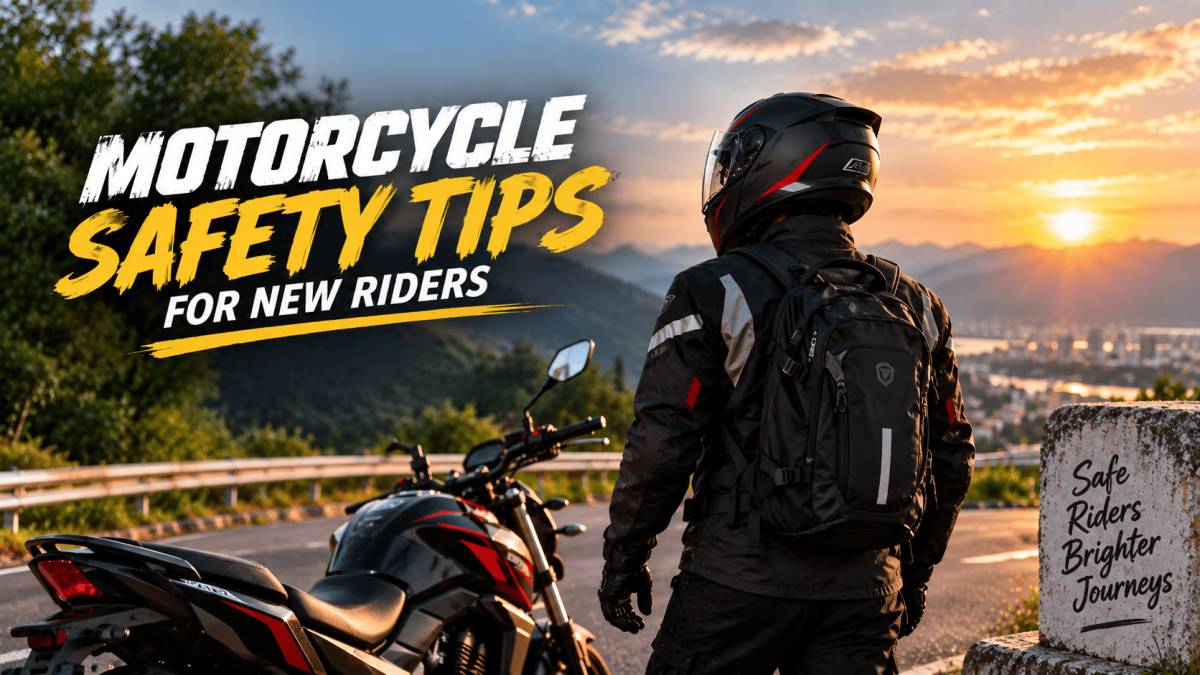
Starting motorcycle riding is exciting, but learning how to ride safely is just as important as learning how to control the bike. New riders need to understand basic riding techniques, traffic awareness, protective gear, braking, road conditions, and motorcycle maintenance.
Whether you ride your motorcycle for daily commuting, university, work, or occasional long-distance trips, following some basic safety practices can help you become a more responsible and prepared rider.
1. Always Wear a Proper Helmet
A helmet should be one of the first pieces of safety equipment a new rider invests in.
A proper motorcycle helmet should:
- Fit your head comfortably
- Stay securely fastened
- Not move excessively when you shake your head
- Provide adequate coverage for your type of riding
- Be in good condition
Always fasten the helmet strap before starting the motorcycle.
A helmet is not something you should wear only for long-distance rides. Even short trips around the city can involve unexpected traffic situations.
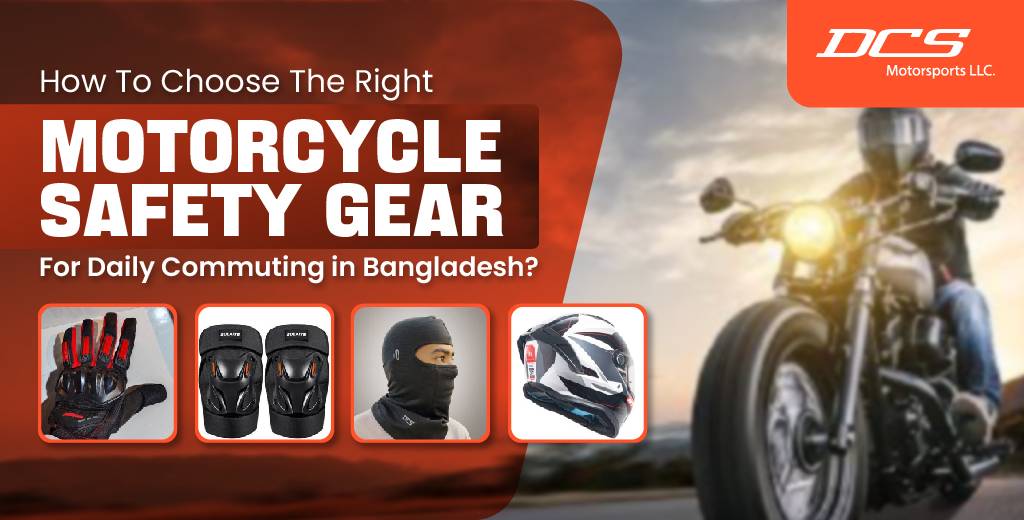
2. Wear Appropriate Riding Gear
A helmet is important, but it is not the only protective equipment available to riders.
Depending on your riding conditions, you may consider:
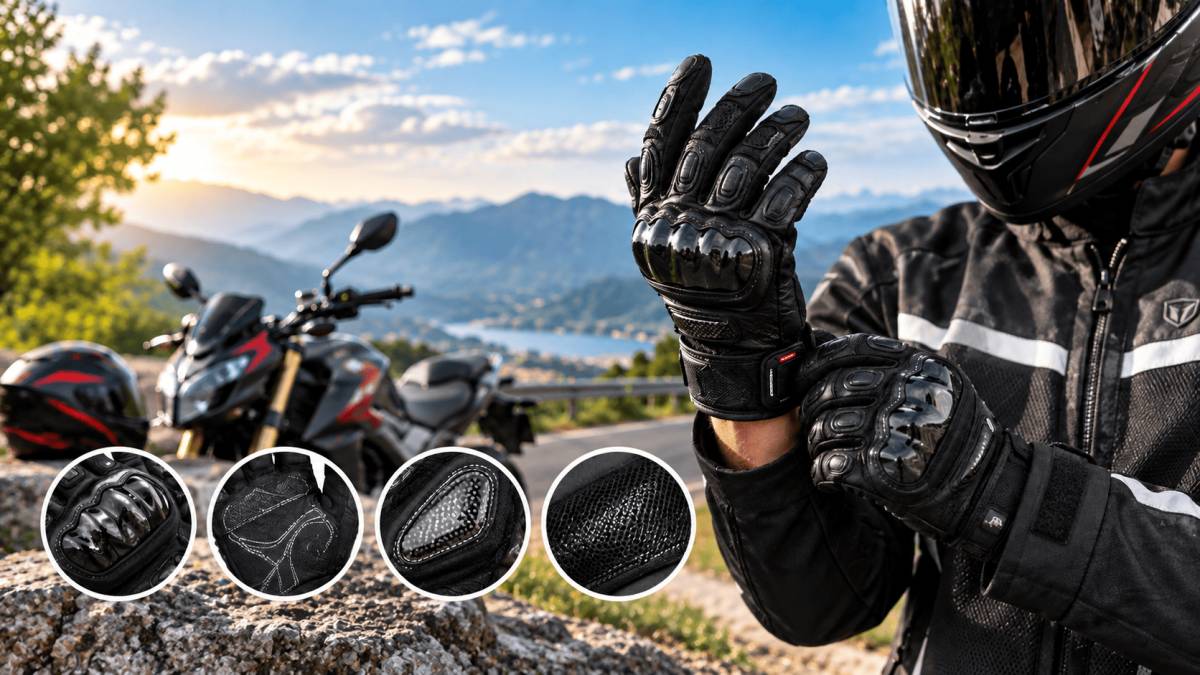
- Motorcycle riding gloves
- Protective knee and elbow guards
- Riding pants
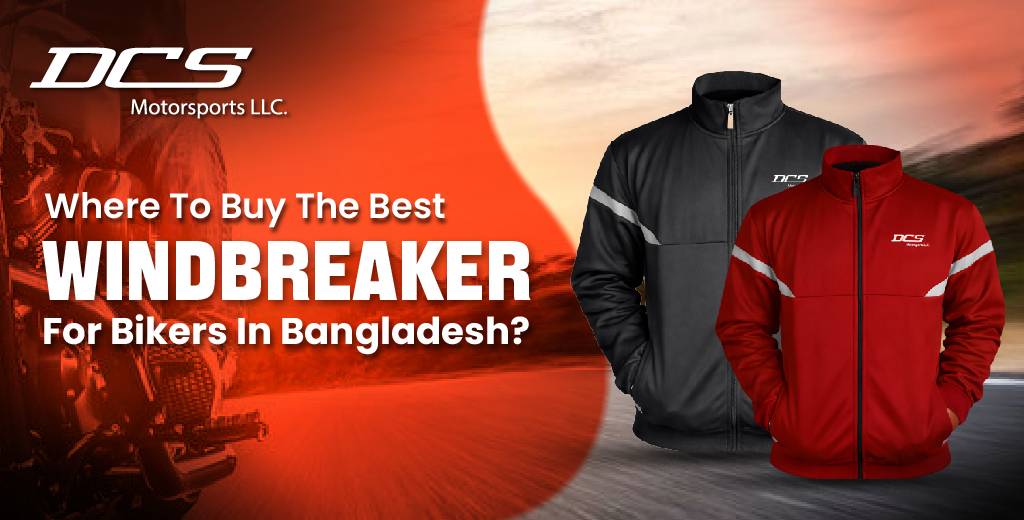
- Suitable riding jackets
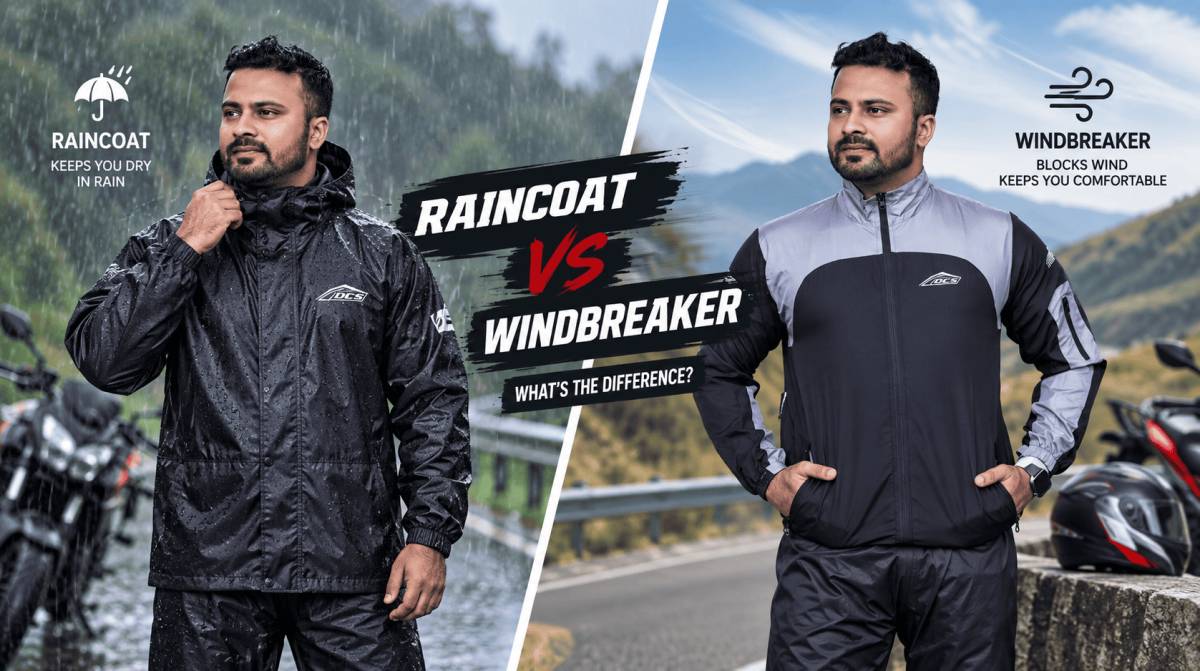
- Rain protection
- Reflective or visible riding gear
Gloves can help protect your hands from weather, road debris, and minor abrasions while also providing a better grip on the handlebars.
You can explore available motorcycle gloves, protective guards, riding pants, and other safety accessories in the Riding Gear & Security category.
3. Learn Proper Braking
Braking is one of the most important skills for a new motorcycle rider.
Avoid relying only on one brake during normal riding. Learn how your motorcycle's front and rear brakes work and practice smooth braking in a safe environment.
Remember:
- Keep a safe following distance
- Brake progressively rather than suddenly when conditions allow
- Be extra careful on wet roads
- Avoid unnecessary hard braking while cornering
- Keep your attention on traffic ahead
New riders should become familiar with their motorcycle's braking behavior before riding in heavy traffic.
4. Maintain a Safe Following Distance
Following another vehicle too closely reduces the amount of time available to react.
Keep enough distance from the vehicle in front so that you have time to:
- Slow down
- Brake
- Change position safely
- React if the vehicle suddenly stops
The required distance can increase when riding in rain, poor visibility, heavy traffic, or on slippery roads.
5. Don't Ride Beyond Your Skill Level
New riders sometimes feel pressure to match the speed or riding style of more experienced riders.
You don't have to.
Ride at a speed and in conditions that you can comfortably control.
Avoid:
- Excessive speed
- Aggressive overtaking
- Sudden lane changes
- Unnecessary acceleration
- Racing on public roads
Your goal as a new rider should be to develop good riding habits and become comfortable controlling the motorcycle.
6. Be Extra Careful in Rain
Rain changes road conditions significantly.
Water can reduce tyre grip, while painted road markings, metal surfaces, leaves, mud, and oil contamination can become more slippery.
When riding in rain:
- Reduce your speed
- Increase following distance
- Brake smoothly
- Avoid sudden steering movements
- Keep your visor clear
- Watch for standing water
- Use suitable rain gear
If you regularly ride during rainy weather, you can explore the Raincoat category for motorcycle rain protection.
7. Make Sure Your Motorcycle Is Visible
Visibility is important, particularly during night riding, rain, fog, and heavy traffic.
Before riding, check that your motorcycle's:
- Headlight works properly
- Brake light works
- Turn signals work
- Rear light works
- Reflective elements are visible
Avoid assuming that other road users have seen you.
Use appropriate signals and maintain a position that gives other road users enough opportunity to notice your motorcycle.
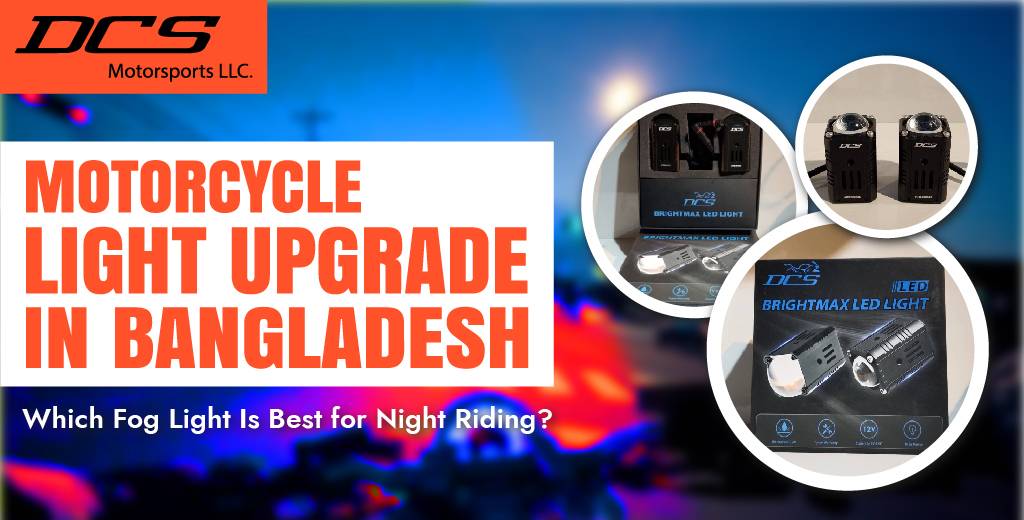
For motorcycle lighting and electrical accessories, you can explore the Lighting & Electrical category.
8. Avoid Using Your Phone While Riding
Never hold or operate your smartphone while actively controlling the motorcycle.
If you need navigation or want to answer a call:
- Find a safe place to stop.
- Park the motorcycle properly.
- Then use your phone.
If you need navigation while riding, a properly installed motorcycle phone mount can keep the phone accessible without requiring you to hold it.
You can explore motorcycle accessories including phone mounts in the Bike Parts & Accessories category.
9. Be Careful When Changing Lanes
Always check your surroundings before changing lanes.
A good habit is:
Mirror → Signal → Check → Move
Don't depend only on your motorcycle's mirrors. Be aware of vehicles that may be positioned in areas you cannot easily see.
Make your movement predictable to other road users.
10. Keep Your Motorcycle Properly Maintained
Safe riding also depends on the condition of your motorcycle.
Before longer rides, check important components such as:
- Tyre condition and pressure
- Brakes
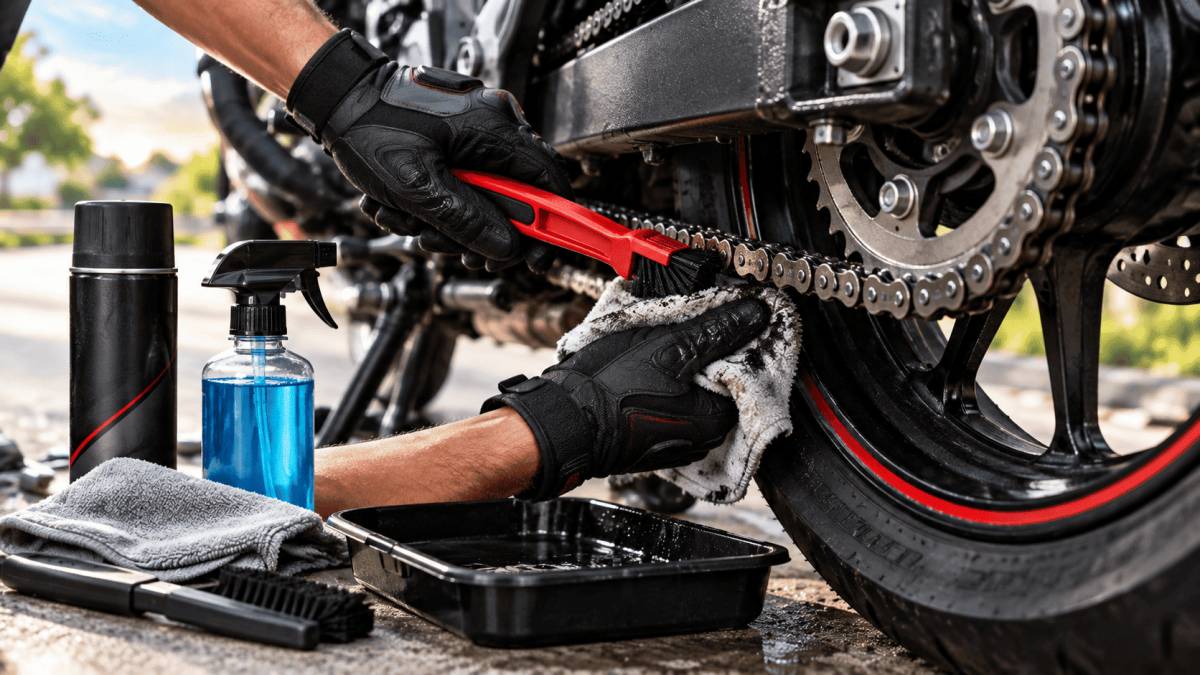
- Chain
- Engine oil
- Lights
- Horn
- Battery
- Mirrors
- Fuel level
A motorcycle with poorly maintained tyres, brakes, lights, or chain can create unnecessary safety risks.
For motorcycle maintenance products and accessories, visit the Maintenance & Performance category.
11. Check Your Tyres Regularly
Tyres are your motorcycle's primary contact with the road.
Check for:
- Correct tyre pressure
- Visible damage
- Excessive wear
- Cracks
- Foreign objects
Follow the motorcycle manufacturer's recommended tyre pressure rather than using a random pressure value.
Remember that tyre condition becomes even more important during rain because available grip can be reduced.
12. Be Careful at Intersections
Intersections can be particularly challenging because vehicles may approach from several directions.
Before entering an intersection:
- Reduce speed when necessary
- Watch for vehicles turning across your path
- Look for pedestrians
- Don't assume another vehicle will stop
- Be prepared for unexpected movement
Even when you have the right of way, maintaining awareness can give you more time to react.
13. Avoid Blind Overtaking
Never overtake without understanding what is ahead.
Be particularly careful around:
- Buses
- Trucks
- Large SUVs
- Curves
- Intersections
- Narrow roads
- Parked vehicles
A large vehicle can block your view of pedestrians, vehicles, potholes, or other hazards.
Only overtake when you have sufficient visibility and a safe opportunity to do so.
14. Don't Ride When You're Too Tired
Long rides require concentration.
If you become very tired while riding, your reaction and decision-making can be affected.
During longer trips:
- Take regular breaks
- Stay hydrated
- Avoid riding when extremely tired
- Stop somewhere safe if you feel unable to concentrate
Reaching your destination later is better than continuing when you cannot ride safely.
15. Learn Basic Motorcycle Controls
Before riding in busy traffic, a new rider should become comfortable with:
- Throttle control
- Clutch control
- Gear shifting
- Front and rear brakes
- Turn signals
- Horn
- Mirrors
- Engine kill switch
Practice these controls in a safe and suitable area before entering heavy traffic.
16. Carry Essential Items
Depending on your type of riding, consider carrying:
- Driving licence and required documents
- Phone
- Basic emergency contact information
- Rain protection
- Small tool kit
- Puncture repair equipment where appropriate
- Drinking water for longer rides
You don't need to carry everything on every short trip, but being prepared becomes more important during long-distance riding.
17. Use Extra Caution at Night
Night riding can reduce visibility and make it harder to identify road hazards.
Before riding at night:
- Check your lights
- Keep your helmet visor clean
- Reduce speed when visibility is poor
- Avoid staring directly into bright headlights
- Watch for pedestrians and vehicles without proper lighting
- Use appropriate motorcycle lighting
Good visibility is especially important when riding on unfamiliar roads.
18. Never Ride Under the Influence
Never ride a motorcycle after consuming alcohol or other substances that can impair your ability to operate the motorcycle safely.
You need full attention, coordination, and judgment to control a motorcycle and respond to changing traffic conditions.
19. Don't Follow Other Riders Blindly
If you are riding with friends, don't assume that you need to copy their speed or movements.
Every rider has different:
- Experience
- Reaction time
- Motorcycle
- Riding ability
- Comfort level
Maintain your own safe riding pace and leave enough space between motorcycles.
20. Build Safe Riding Habits From the Beginning
The habits you develop as a new rider can influence your riding for years.
Focus on:
- Smooth control
- Proper braking
- Defensive riding
- Maintaining distance
- Using protective gear
- Understanding road conditions
- Following traffic rules
- Regular motorcycle maintenance
You don't need to ride aggressively to become a skilled rider. Consistent practice and awareness are much more important.
Essential Safety Gear for New Motorcycle Riders
For a new rider, some useful categories of equipment include:
Helmet
Your primary head-protection equipment.
Riding Gloves
Can provide hand coverage, grip, and protection from weather and minor abrasions.
Protective Guards
Knee and elbow guards can provide additional protection during riding.
Rain Gear
Useful when riding during wet weather.
Security Accessories
Disc locks and other security accessories can provide an additional layer of protection when parking your motorcycle.
You can explore these types of riding and security products through the Riding Gear & Security category.
Final Thoughts
Learning to ride a motorcycle safely takes time and practice. New riders should focus on developing good habits rather than trying to ride faster or more aggressively.
Always wear appropriate protective gear, maintain a safe distance, control your speed, pay attention to road conditions, and keep your motorcycle properly maintained.
Most importantly, remember that safe riding starts with awareness and preparation.
For motorcycle riding gloves, protective guards, riding pants, disc locks, and other related safety accessories, explore the Riding Gear & Security collection.
একটি মন্তব্য করুন
এই নিবন্ধে মন্তব্য করতে অনুগ্রহ করে গ্রাহক বা ডিলার হিসেবে লগইন করুন।
লগইন করুন